Ever notice how everything feels a little different when it starts getting dark before dinner?
As fall turns into winter, the days get shorter, the weather gets colder, and spending time outside can become less appealing. For some people, these changes can affect their energy, motivation, and mood.
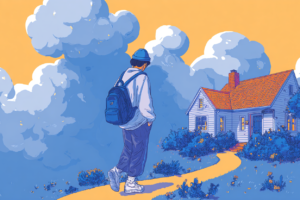
One teen noticed that getting out of bed seemed harder as November rolled around. After school, all they wanted to do was curl up under a blanket and scroll through their phone. Even things they usually enjoyed started feeling like too much effort.
There’s actually a reason this can happen.
Sunlight helps regulate the body’s internal clock, which affects sleep and energy levels. Less daylight can sometimes disrupt those rhythms and contribute to changes in mood. Some people experience seasonal depression, a condition that goes beyond simply feeling tired during winter.
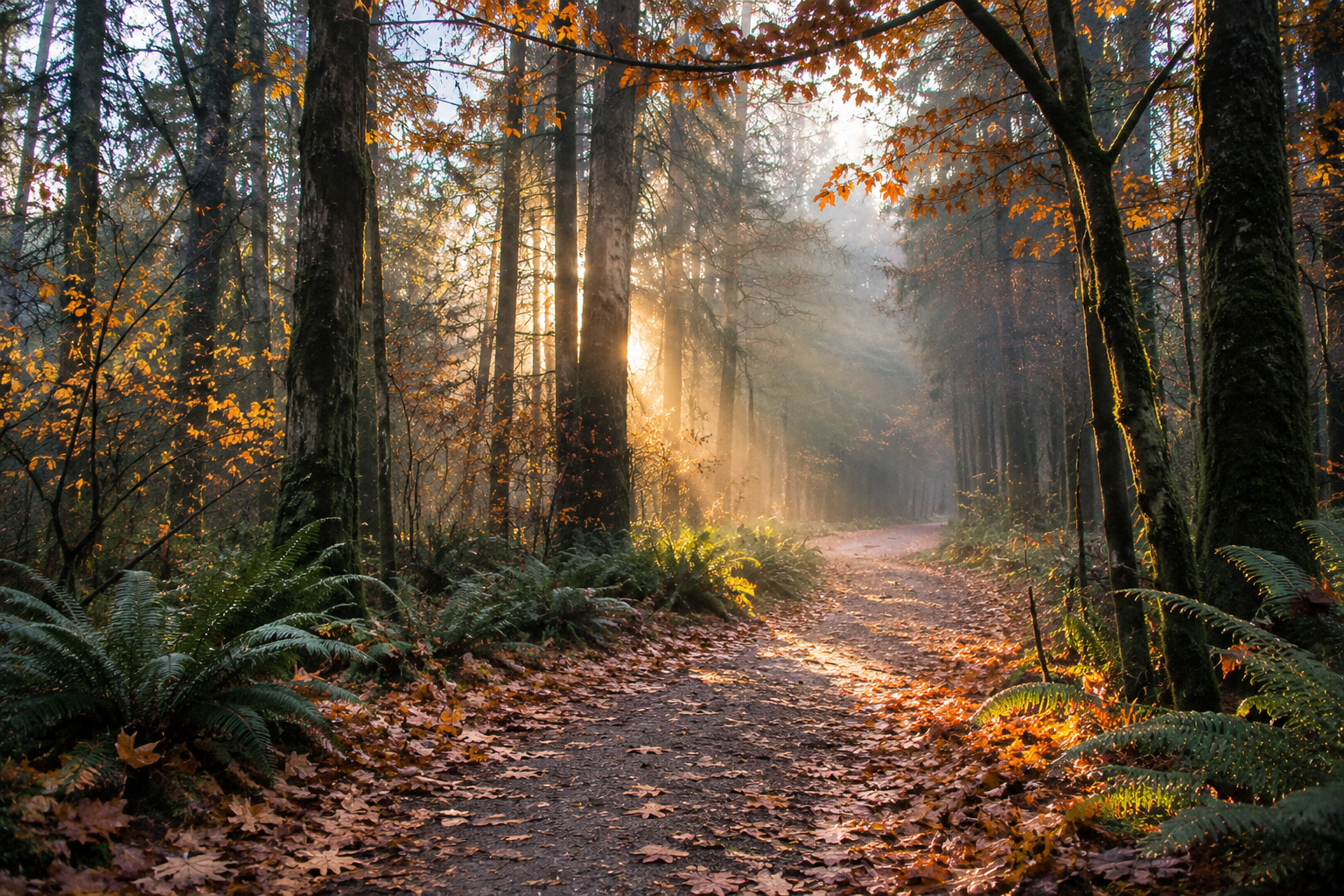
The good news is that small habits can help. Spending time outside during daylight hours, staying connected with friends, getting regular movement, and keeping a consistent sleep schedule can all support mental health.
If low moods or exhaustion stick around or start interfering with everyday life, talking with a trusted adult or healthcare professional is a good idea.
You can’t control how early the sun sets, but you can find ways to bring a little more light into your day.